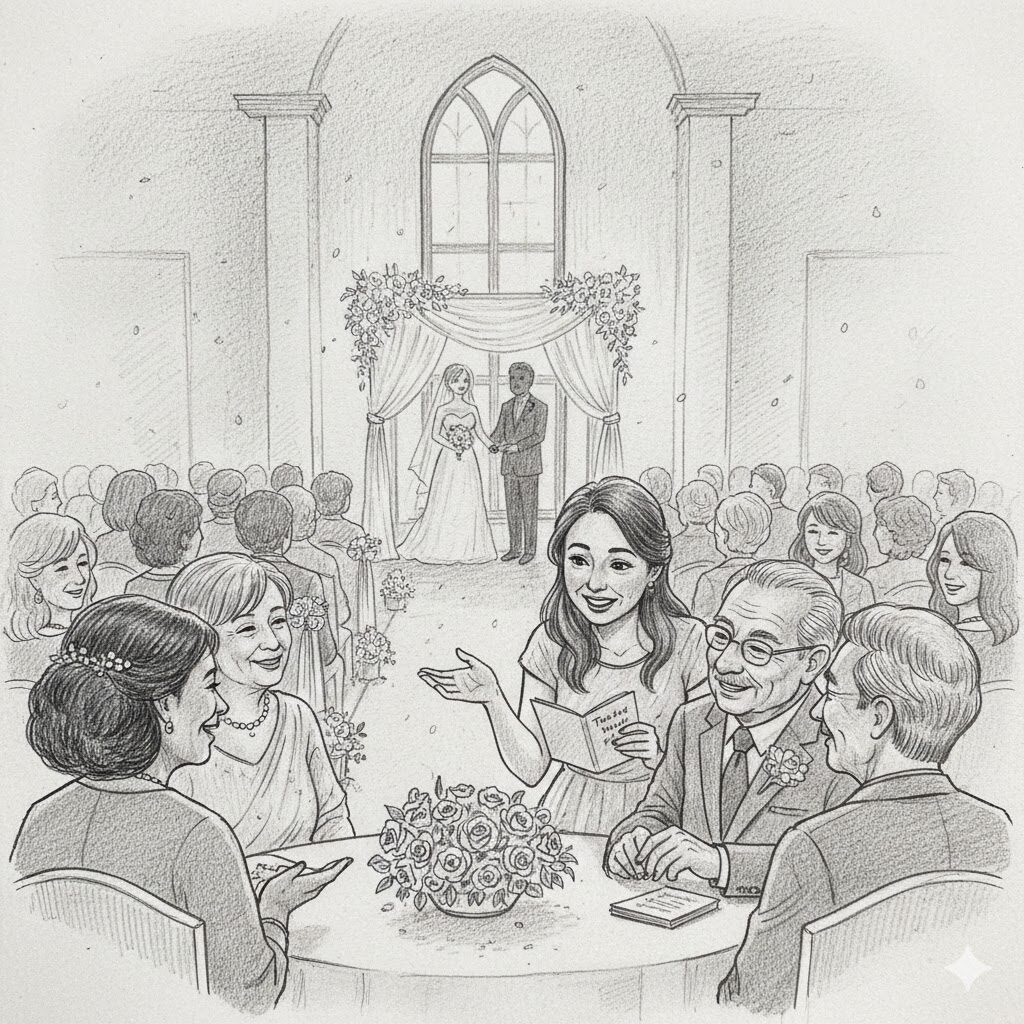
As a wedding officiant, I have the privilege of standing at the very heart of hundreds of ceremonies. I’ve seen countless couples from diverse backgrounds, and time and again, I’ve witnessed one simple truth: every single guest should feel completely included.
But that is not always the case. Most often it seems, some of the guests are Hispanic and don’t speak any English. As many times as I’ve tried to learn Spanish, it’s not so good. I usually say at the start of such ceremonies, Lo siento, mi Espanol no es bueno (I’m sorry, my Spanish is no good.) I get a little laugh and we move on. I wish I were truly a bilingual Nashville officiant.
When part of your celebration involves guests who don’t speak English, it’s not a complication—it’s an opportunity. It’s a chance to show extraordinary consideration and make sure the central message of your wedding—love, unity, and commitment—resonates with everyone.
Here is my professional advice on how to gracefully bridge the language gap for your guests:
Phase 1: Pre-Wedding Logistics and Communication
The easiest place to start is with practical, written information. Get the boring stuff right so the fun stuff can shine.
- Multilingual Invitations and Websites: If you have a large contingent of non-English speaking guests, translate key logistical information on your wedding website or in your invitation suite. This is crucial for details like the RSVP process, venue directions, accommodation booking, and dress code. A professional tip: Use a native speaker for this review, not just an online translation tool, to ensure clarity and cultural accuracy.
- Translated Programs for the Ceremony: This is my single most recommended action. A simple, printed program that translates the order of events, readings, and perhaps a brief explanation of the vows allows guests to follow along quietly and grasp the significance of the moment. They won’t feel lost or simply waiting for the next song.
Phase 2: The Ceremony—Making the Words Count
The ceremony is where the most important words are spoken. Here’s how to ensure those words are understood by all:
- The Power of Dual Translation: For smaller groups, having a fluent, trusted family member or friend provide a quiet, consecutive translation of the most important elements—the welcoming, the vows, and the closing pronouncement—can be very effective. I am happy to work with this individual beforehand to establish clear breaks for them to speak.
- Focused Translation, Not Word-for-Word: I always advise couples that we don’t need to translate every single sentence. Focus on translating the core, emotionally resonant elements (the purpose of the gathering, the declarations of intent, and the final “I Dos”). This keeps the flow of the ceremony from stalling.
- Visual and Symbolic Elements: As your officiant, I often encourage couples to incorporate elements that speak louder than words—a unity candle, a sand ceremony, or a meaningful musical piece. These actions are universal expressions of commitment that everyone can appreciate.
Phase 3: The Reception—Comfort and Connection
The reception is about celebrating and connecting. Thoughtful planning here makes all the difference in making guests feel welcome, not isolated.
- Strategic Seating: The easiest win is to coordinate with your planners and seat guests who share a language together, ideally with one or two bilingual individuals. They can translate the dinner menu, explain what’s happening, and simply help facilitate conversation and belonging.
- Translated Speeches and Menus: A full translation of the Best Man’s speech isn’t necessary, but printed summaries of the speeches placed on the relevant tables is a wonderful gesture. Likewise, bilingual menu cards are essential, especially for guests with allergies or dietary restrictions.
- Designate a Bilingual Helper: Ask a trusted, fluent friend or family member to be the official “go-to” person for your non-English speaking guests. This person can offer help finding the restrooms, figuring out the photo booth, or flagging down a server. Make sure your guests know who this friendly point of contact is.
When I look out over a crowd on a wedding day, I want to see shared tears of joy and shared laughter. These small, thoughtful steps communicate one powerful message to your guests: “You matter to us, and we are thrilled you are here.” And that, truly, is the best foundation for a happy celebration.